What a Condition Report Contains
The opening section identifies the building: address, building type, total roof area in square feet, and the date of the inspection walk. It identifies the inspector and confirms that the report reflects conditions observed on the stated date.
The system inventory section documents the membrane system as found: type (TPO, EPDM, PVC, modified bitumen, BUR, SPF, fluid-applied), estimated thickness, estimated installation date (based on building records if available, physical evidence if records are absent), manufacturer if identifiable, and any known warranty status from building owner records.
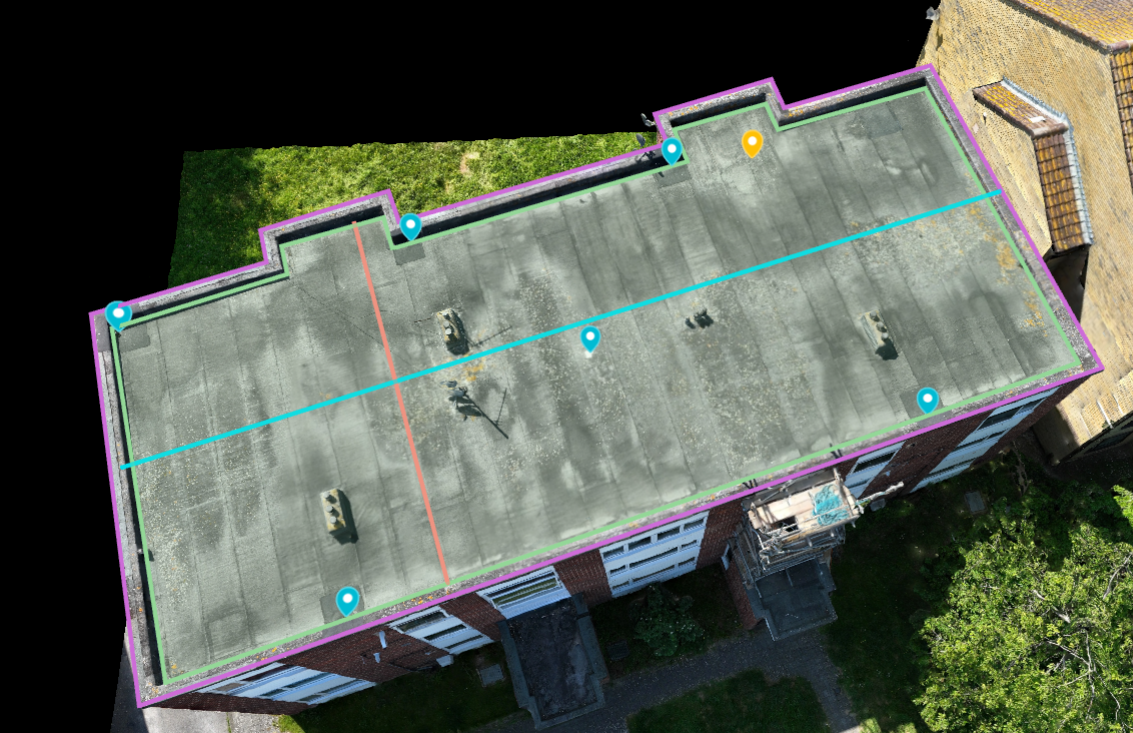
The condition findings section covers the roof in zones — typically four to eight zones depending on the building's size and complexity — with each zone addressed separately. For each zone: membrane surface condition, seam condition, penetration condition, drainage condition, flashing condition, and any observed signs of ponding, repair history, or moisture intrusion. Each finding is rated on a four-tier priority scale: immediate (action within 30 days), near-term (action within 12 months), planned (action within 12-36 months), and deferred (action beyond 36 months). Every rated finding is supported by at least one dated photograph keyed to the zone diagram.
The summary section states the overall condition tier for the building, the estimated remaining useful life of the primary membrane system, the recommended capital action and projected timing, and the estimated cost band at current market pricing for the recommended action.
The appendix contains the full photo set (zone-keyed with date stamps), the zone diagram, and any moisture-core data if cores were pulled.
Condition Reporting for Specific Use Cases
Acquisition due diligence: We produce condition reports for buyers of Omaha commercial property who need a credible third-party assessment before closing. The report documents condition on the inspection date, estimates remaining useful life, and states the capital action recommendation — the three pieces of information that determine whether the roof is a material item in the acquisition negotiation. We can typically complete an acquisition inspection and deliver the written report within 10 business days of the site visit.
Insurance claim documentation: After a significant weather event — a derecho crossing Douglas County, a hail event above one inch, a wind event that displaces rooftop equipment — building owners with existing condition reports have a documented pre-storm baseline. We inspect the building post-event, document storm-attributable damage, and produce a report that clearly differentiates storm damage from pre-existing conditions. This documentation is what makes insurance claims faster and less contested.
Lender and investor presentations: Commercial lenders and real estate investors need roof condition documented in a format they can underwrite against. Our condition reports include the remaining useful life estimate, the capital action recommendation, and the cost estimate in a format that supports a lender's underwriting calculation for capital reserves.
Litigation and dispute support: When roof condition at a specific date is at issue — in a property sale dispute, a tenant lease dispute about responsibility for roof maintenance, or a warranty claim dispute with a manufacturer — a dated, signed, photographically documented condition report is the evidentiary basis. We produce these reports for Omaha legal counsel and have served as technical witnesses in related disputes.
Post-Storm Condition Reporting in the Omaha Climate
Omaha's storm calendar is demanding. The metro is in the heart of the Great Plains severe weather corridor — significant hail events track through Douglas County most springs, the derecho risk from the western plains is real (the August 2020 event caused hundreds of millions in property damage across eastern Nebraska), and the June-August convective season produces multiple roof-impacting events per year in most years.
We maintain NOAA storm data for Douglas County and the surrounding metro. When a significant hail event or wind event is confirmed, we contact managed portfolio clients to schedule post-storm inspections and produce condition reports that establish what the storm caused versus what was pre-existing. For buildings we have not previously inspected, we can produce a post-storm condition report that documents current conditions and notes, where observable, which damage appears consistent with storm-related origin versus pre-existing conditions.
Frequently asked questions
How quickly can you produce a condition report?
Standard commercial buildings: written report delivered within five business days of the site visit. Rush deliveries for acquisition due diligence with short closing timelines or post-storm insurance documentation can be arranged — contact us with the timeline and we will confirm whether we can meet it.
Does the condition report include a cost estimate?
Yes — a cost band, not a bid. The condition report states the recommended capital action and the estimated cost range at current Omaha market pricing for that system type and area. A cost band is the appropriate precision for a planning document; a bid requires a detailed scope, measurements, and a specific product specification. If you need a bid, we produce that separately from the condition report.
Will the condition report satisfy my lender's roof condition requirement?
Most commercial lenders require a third-party roof condition assessment with remaining useful life estimate as part of their underwriting package. Our condition reports are written to satisfy that requirement. If your lender has a specific format or checklist requirement, send it to us before the site visit and we will ensure the report addresses every item.
Can you inspect a roof if I do not know who installed it or what system is on it?
Yes. We identify the membrane system from physical examination — material type, estimated thickness, seam type, and visual characteristics are usually sufficient to identify the system. For manufacturer identification, we look for product markings on the membrane underside or on any accessible labels near the seam laps. We document what we can confirm and note what cannot be determined from physical evidence alone.
Need a written roof condition report for your Omaha building?
We inspect, document, and deliver a written condition report within five business days — for capital planning, due diligence, insurance, or lender presentations.
Ready to talk through a roof?
Tell us about the building and the roof problem. We'll document it and put a plan in writing — with an honest repair-vs-replace recommendation and no upsell pressure.