Finding the Source — Not Just the Symptom
The most common leak sources on Omaha commercial flat roofs are parapet flashings, penetration flashings around HVAC curbs and pipes, drain perimeters, lap seam failures, and edge metal terminations. These are where we look first — not at the interior water stain.
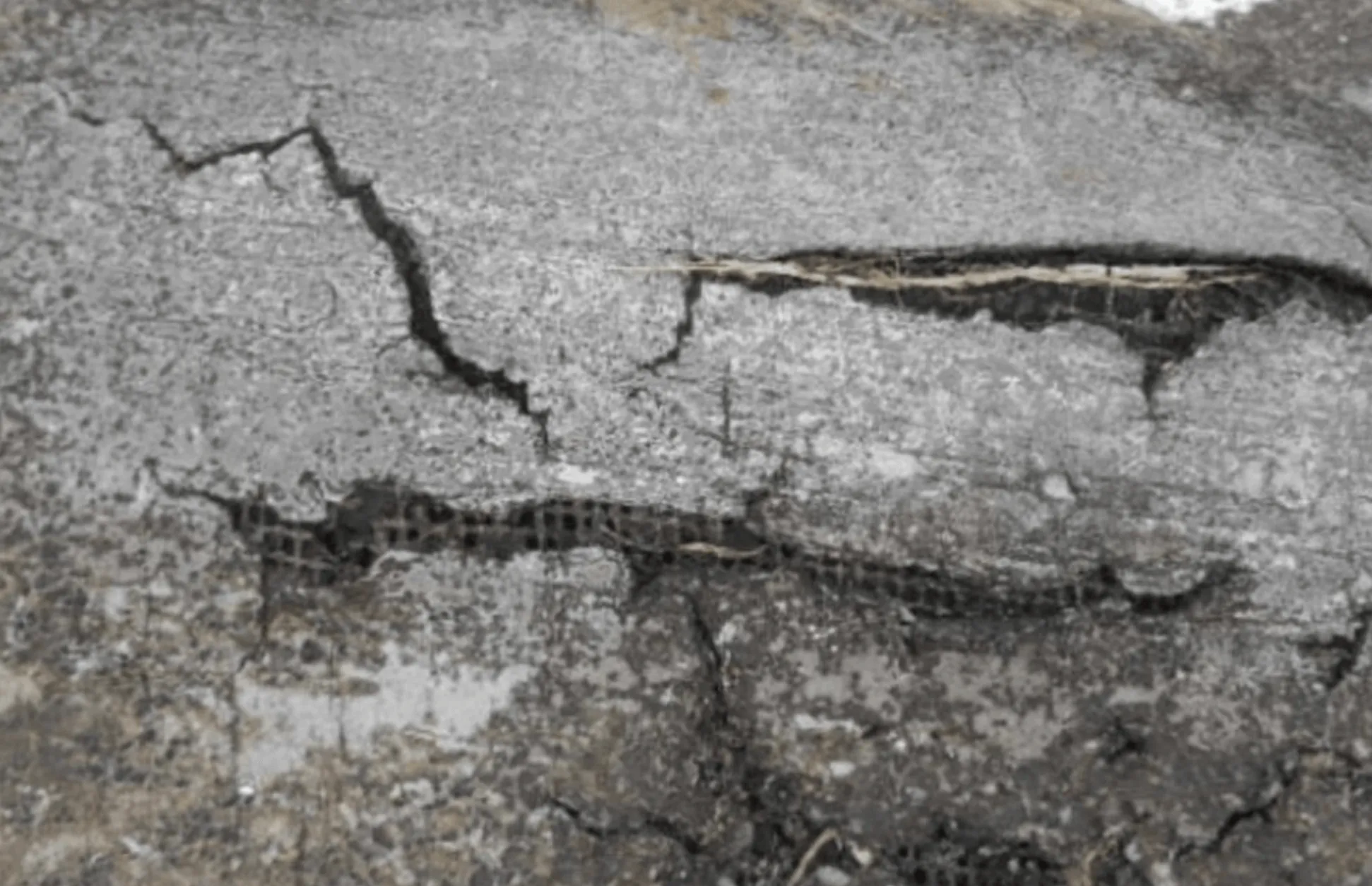
Parapet flashing failures are the most frequent leak source on Omaha buildings with some age on them. The freeze-thaw cycling from November through March applies repeated stress to the flashing membrane and the caulk at termination joints. A flashing that was installed correctly in 2008 may have developed cracks at the termination line after 15 years of thermal cycling — the crack is a millimeter wide, it does not look like a failure from arm's length, and it lets a measurable amount of water into the assembly during every rain event.
When visual inspection does not locate the source definitively, we use controlled water testing — isolating roof sections with temporary dams and applying water in sequence to narrow the entry zone. This takes more time than a visual-only walk, but it produces a confirmed source location rather than a best-guess repair. We document the water test methodology and results before repair begins.
Repair Methods — Compatible with the Existing System
Flashing repair: Failed parapet flashings on TPO systems get re-flashed with manufacturer-compatible TPO membrane material, heat-welded and stripped in to the field membrane. On EPDM systems, flashing repairs use EPDM-compatible bonding adhesive and seam tape. Modified bitumen flashing repairs use compatible torch-applied or cold-applied cap sheet. We do not use generic sealants as a substitute for proper flashing membrane repairs — sealant-only repairs on failed flashings fail again within 12 to 24 months.
Lap seam repair: Open or debonded lap seams on TPO get re-welded with a hot-air welder after the seam faces are cleaned and prepared. EPDM seams get cleaned, primed, and re-bonded with EPDM seam tape. On both membrane types, we run a 5-pound roller test on every repaired seam before closeout.
Drain perimeter repair: Failed drain flashing or drain clamping ring failure is the third most common leak source we see. Repair involves pulling and re-setting the drain insert, re-flashing the drain perimeter membrane with a matching membrane collar, and confirming positive drainage slope is maintained.
Penetration repair: Failed pitch pockets get cleaned, old sealant removed, and re-filled with manufacturer-compatible pitch-pocket fill or converted to a boots-and-flashing detail that eliminates the pitch pocket. HVAC curb flashing failures get stripped-in at the curb-to-field membrane transition.
Emergency Response and Temporary Repairs
When an active leak is damaging building contents or electrical systems, temporary dry-in is the first priority — permanent repair follows after the interior is protected and the source is confirmed. We carry EPDM patch material, TPO seam tape, and silicone repair compound in service vehicles for immediate temporary repairs. Temporary repairs are documented and noted as temporary in the service record — we do not let a temporary repair get counted as a permanent fix.
The July and August thunderstorm season in the Omaha metro brings fast-developing afternoon convective storms that can produce hail and heavy rainfall in under an hour. We monitor storm forecasts during the active season and pre-position crews for faster response on days with high convective risk across Douglas County. Buildings on our maintenance program get a direct call-in number for after-hours emergency response.
Frequently asked questions
Why does my roof leak in the same place every winter even after it has been repaired?
The most common reason is that the repair addressed a symptom location rather than the actual water entry point. In Omaha's freeze-thaw climate, ice damming at parapet base conditions and at clogged drain perimeters can also create leak paths that do not exist in summer — the repair that worked through September starts leaking again in January when ice backs up behind a clogged drain or a partially-failed parapet flashing. We document the source and the repair method so the next technician on the roof has a starting point rather than guessing from a stain location.
How do you verify the repair worked before you leave?
We run a controlled water test on the repaired area after every repair — applying water at the repaired location and monitoring inside the building for 15 to 30 minutes. If access to the interior area is available, we verify no water passage. If the leak is in a wall cavity or concealed space, we note the test was conducted and the repair appears watertight, with a recommendation to monitor at the next significant rain event. We document the post-repair test in the service record.
Do you service emergency leaks after hours?
Active roof leak on your Omaha commercial building?
We find the source, document it, and repair it permanently — not just where the water drips, but where it enters. Written service record included at every visit.
Ready to talk through a roof?
Tell us about the building and the roof problem. We'll document it and put a plan in writing — with an honest repair-vs-replace recommendation and no upsell pressure.