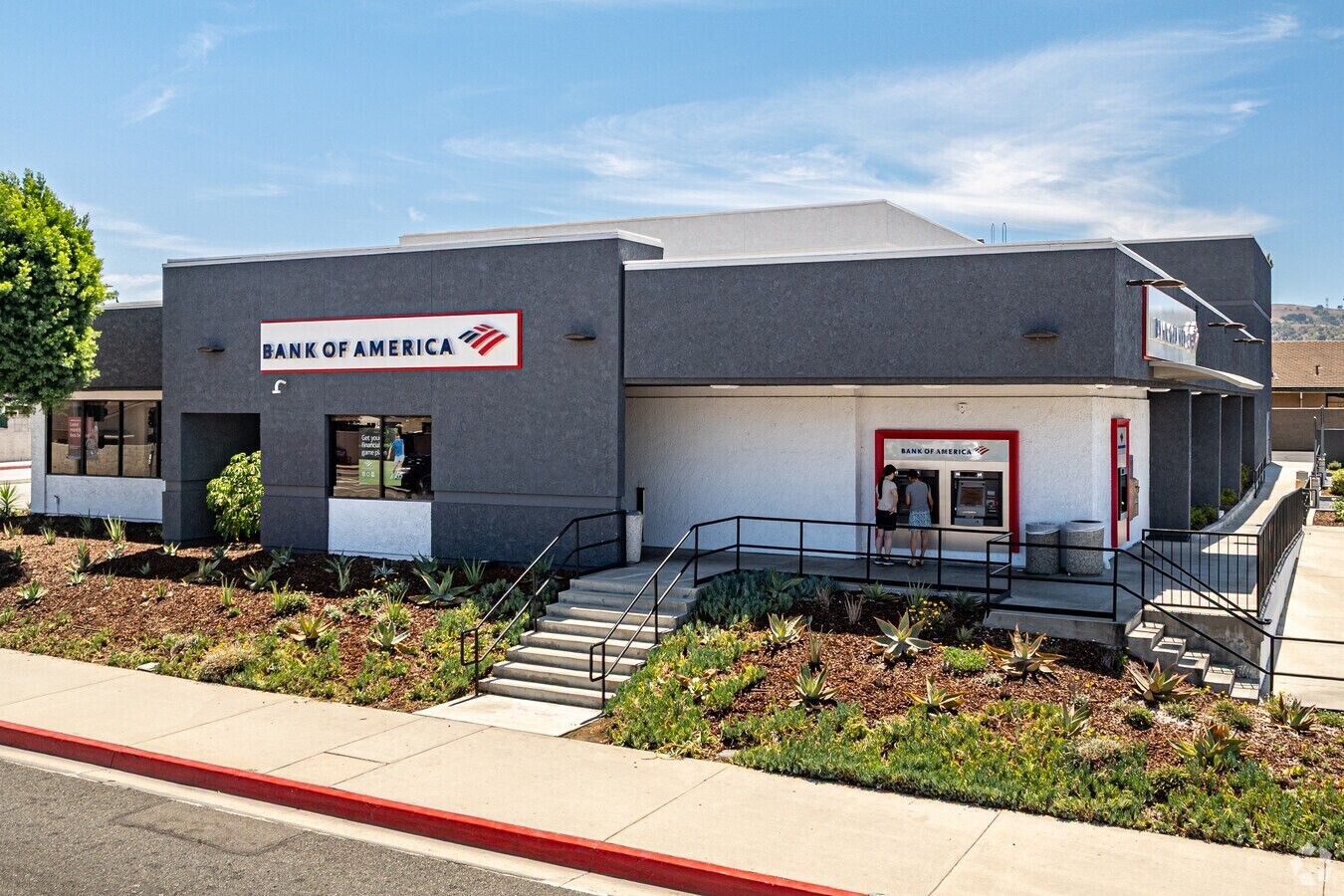
A bank roof is small, low to the street, and almost always in plain sight — and that combination makes it a particular kind of job. A branch on a hard corner along Dodge, 72nd, or 84th Street carries only a few thousand square feet of flat roof, but it is visible from the drive-through lane and the parking lot, it sits over a vault and a server room that cannot get wet, and the building has to keep serving customers while we work. We roof these across Omaha — the retail branches lining the major commercial streets, the credit-union offices in the residential neighborhoods, and the larger financial offices in the West Omaha corporate corridor near 144th and West Dodge, a stretch of glass-and-membrane office buildings from the 2000s now reaching their first real round of roof maintenance.
The footprint is misleading. A modest bank roof carries more penetrations than its size suggests, because a branch packs a lot of equipment into a little building. There is the drive-through canopy tying back into the main roof, an ATM vestibule or standalone kiosk, a standby generator with a transfer-switch room venting through the roof, and precision cooling for the server and network room that the whole branch runs on. Each of those is a curb or a pipe that has to be individually flashed, and on a roof this compact they sit close together with little open field between them — so detail work, not membrane area, is where the job is won or lost.
The drive-through canopy is where banks leak
If a bank branch has a chronic leak, the odds are it is at the drive-through canopy. That canopy is a separate little structure cantilevered out over the teller lanes, and where its roof meets the main building wall the two move independently — different thermal expansion, different settlement, constant vibration from cars idling beneath it. A standard wall-flashing detail copied from a strip-mall roof doesn't survive that movement, and once the joint opens, water tracks back into the building along the canopy framing. We treat that transition as its own flashing item every time, evaluate it separately from the field membrane, and rebuild it with a detail engineered for differential movement. Replacing the main roof without addressing the canopy joint just leaves the leak in place under a new membrane.
Working over the vault and the customer floor
Banks keep banker's hours and they keep tight security, and both shape how we work. The branch is open and full of customers during the day with a vault, a cash room, and a server room directly below the roof, so even a small intrusion is an immediate operational problem — you cannot let a tear-off section get rained into over a vault overnight. We concentrate the active tear-off and membrane work into off-hours and weekends, hold noise down during customer-service hours, and confirm every open section watertight in writing before the branch opens the next morning.
Security adds a layer most commercial roofs don't have. Bank-owned properties routinely require contractor badging, escorts for anyone working near the vault, and camera documentation of crew activity on site. We build that coordination into the schedule and the crew credentialing up front rather than discovering it on mobilization day — the security timeline is part of the bid, not a change order after the contract is signed. Before we start we pull the vault and secure-room locations off the building drawings so the work over those zones is sequenced into approved windows and confirmed with the branch's security contact.
What goes on a bank roof
For a small high-visibility roof we generally specify a 60-mil TPO or PVC, fully adhered, over tapered polyiso. Adhering the membrane gives a clean, uniform appearance on a roof people actually see from the lot, the taper clears the ponding that collects around the tightly clustered equipment, and white membrane meets the cool-roof requirement on most reroof permits. Where a branch wants to extend the life of a sound existing roof rather than tear it off, a silicone restoration coating is often the right call on a building this size — it renews the surface and the flashings at lower cost and with far less disruption to a working branch.
Single branches and whole portfolios
Some of this work is a community bank or credit union with one building to look after; some of it is a regional or national institution managing branches across Nebraska through a corporate real-estate group with preferred-vendor programs and standardized paperwork. We work both ways. Either path closes out with the documentation a financial institution expects — insurance and license verification before mobilization, a preconstruction safety plan, daily work and dry-in reports, manufacturer warranty registered in the owner's name, and the final permit and inspection package — and portfolio accounts get consistent scoping and pricing across every site with a single project-management contact.
Bank & Financial Building Roofing Questions
We concentrate active tear-off and membrane work into off-hours and weekends, keep noise down during customer-service hours, and confirm every open section watertight in writing before the branch opens each morning. With a vault, cash room, and server room directly below the roof, we never leave a section exposed to rain overnight.
The canopy is a separate cantilevered structure, and where its roof meets the main wall the two move independently — different expansion, settlement, and constant vibration from idling cars. A standard wall-flashing detail fails there. We treat the transition as its own flashing item, evaluate it apart from the field membrane, and rebuild it for that differential movement. Replacing the main roof alone leaves the leak in place.
Yes. We pull vault and secure-room locations from the building drawings before mobilizing, sequence the work over those zones into approved windows, and confirm with the branch's security contact that no active operations are affected by vibration or temporary access changes. Badging, escorts, and camera documentation are built into the plan up front.
Usually a 60-mil fully adhered TPO or PVC over tapered polyiso — the adhered membrane looks clean on a roof visible from the lot, the taper clears ponding around the tightly packed rooftop equipment, and white membrane meets cool-roof permit requirements. On a sound existing roof, a silicone restoration coating often renews the surface and flashings at lower cost with less disruption to a working branch.
Yes. Whether it is a community bank with one building or a regional institution managing branches across Nebraska through a corporate real-estate group, we provide consistent scoping, documentation, and pricing across every site with a single project-management contact, and we work inside each institution's vendor-management and approval process.
Ready to talk through a roof?
Tell us about the building and the roof problem. We'll document it and put a plan in writing — with an honest repair-vs-replace recommendation and no upsell pressure.