Roof Systems
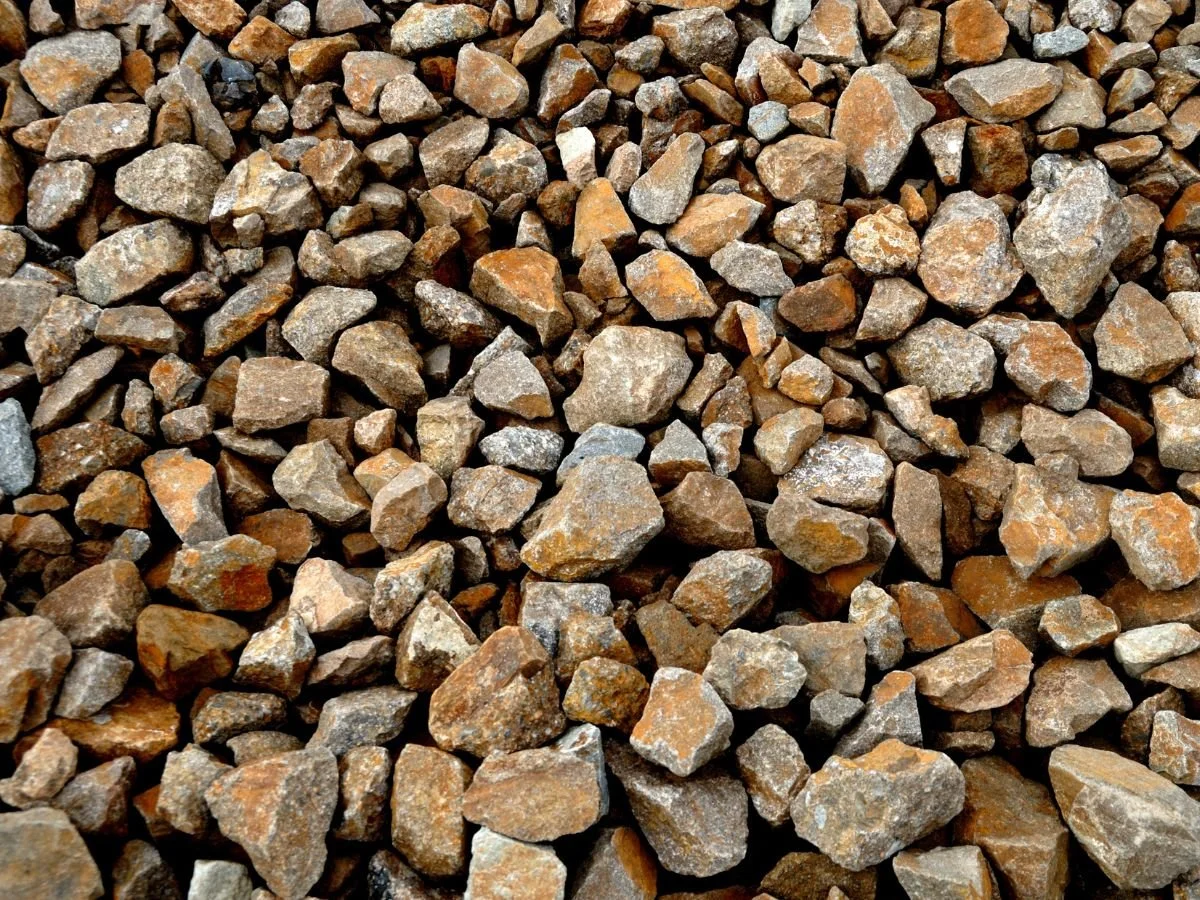
Ballasted single-ply roofing — loose-laid EPDM or TPO membrane with river-gravel ballast — was widely installed on Omaha industrial and warehouse buildings from the 1970s through the early 2000s. We assess, recover, and replace the metro's aging ballasted roof inventory with full structural evaluation for ASHRAE Zone 5A snow loading and derecho wind design.
Ballasted roofing made sense when it was installed. A loose-laid EPDM membrane with 10-12 pounds per square foot of rounded gravel ballast required no fasteners, no adhesive, and minimal skilled labor compared to mechanically attached or fully adhered systems. The gravel provided UV protection for the membrane and wind-uplift resistance through dead weight. On a structurally adequate building in a moderate climate, ballasted systems can last 25-30 years with minimal maintenance.
The problem in Omaha is structural and climatic. The structural problem is that Nebraska's ground snow load — 25 psf under ASCE 7-22 — adds to the ballast dead load (10-12 psf) on top of the building's design live load. Many of the industrial and warehouse buildings in north Omaha and the I-80 corridor that were built with ballasted roofing in the 1970s and 1980s were not designed with the combined ballast-plus-snow dead load in mind. We commission a structural review before any recover or additional ballast specification on a building with existing ballasted roofing.
The climatic problem is freeze-thaw cycling and derecho wind. Omaha's 50-70 freeze-thaw events per winter heave the ballast aggregate repeatedly, driving migration toward drains and low areas. After 25 winters, the drain fields of many Omaha ballasted roofs are buried in 18-24 inches of gravel that the freeze-thaw cycle moved from the field areas. The exposed field membrane in those low-ballast areas is UV-degraded and vulnerable. The derecho record adds wind risk: ballast that is undersized or has migrated to low areas may not provide adequate uplift resistance at design derecho wind speeds. Contact us at 555-555-.
Structural Assessment Before Any Ballasted Roof Decision
Every ballasted roof decision we make in Omaha — recover, replace, or restore — starts with a structural assessment. We engage a licensed Nebraska structural engineer to evaluate the existing structural framing for the combined loading of dead load (ballast, insulation, deck), live load, and snow load under current ASCE 7-22 requirements. If the structure cannot carry the current ballast load plus design snow load, the scope shifts to ballast removal before any new membrane work begins.
We find structural deficiencies on Omaha ballasted roofs in three situations. First: buildings that were designed before ASCE 7-16 updated Nebraska snow load maps, resulting in lower design values than current code requires. Second: buildings where ballast migration has concentrated gravel at drain low areas to 18-24 inch depth, creating concentrated dead loads the structure was not designed for. Third: buildings where roof alterations or additions over the years added mechanical equipment, solar arrays, or new penetration framing without a structural review of the cumulative dead load increase.
When the structural capacity is confirmed adequate, we scope the recover or replacement. When it is not, we remove ballast to the minimum design level, repair any structural members under concentrated load areas, and then proceed with the membrane scope. The cost of the structural assessment is recovered immediately in avoided liability — a ballasted roof that fails under snow load is a catastrophic event for the building owner and everyone in the building below.
Derecho Wind and Ballast as Projectile
The August 2020 Midwest derecho crossed eastern Nebraska at 110+ mph sustained winds — wind speeds that moved river gravel ballast across Omaha commercial rooftops as projectiles. We documented rooftop equipment damage caused by ballast impact on multiple north Omaha industrial buildings in the weeks following the event. HVAC fan housing penetrations, vent cap damage, and skylight impact damage were all documented on buildings with 3/4-inch to 1.5-inch river gravel ballast.
The design wind speed for ballast uplift is specified in FM Global's wind design standard for ballasted single-ply roofing. Ballast that meets the FM design requirement for the building's exposure category provides adequate uplift resistance at design wind speeds. But Omaha's August 2020 derecho exceeded the design wind speed for many of the industrial buildings in the open Missouri River plain exposure — the FM design standard was met, but the derecho exceeded the design event.
Our post-derecho recommendation for Omaha owners of ballasted roofing is to evaluate conversion to mechanically attached single-ply on the next replacement cycle. Mechanically attached systems provide quantifiable wind-uplift resistance that is independent of ballast integrity and not subject to ballast migration over time. The first derecho after a ballast migration event on a Omaha flat roof is a significantly higher-risk event than a derecho on a freshly-installed ballasted system.
Recover and Replace Options for Omaha Ballasted Roofs
When a ballasted EPDM or TPO system reaches end of life in Omaha, the recover vs. replace decision follows the same moisture-core logic as for any other system. We pull cores before recommending a recover path. Ballasted systems present a specific moisture-core challenge: the cores must be pulled through the ballast layer, through the membrane, and through the insulation — requiring a longer core tool and more care to avoid contaminating the core with ballast fines. We use 4-inch-diameter cores on ballasted roofs and examine the full depth of the insulation section.
If the insulation is dry and the deck is sound, a ballasted recover with a new mechanically attached TPO or EPDM over a new polyiso insulation layer is a viable path. We remove the existing ballast in the recover scope — running the old ballast through the new membrane as a ballast layer creates structural and puncture-risk problems. The removed ballast is sorted and, where practical, reused as drainage aggregate at the perimeter. New membrane is mechanically attached to the deck over new insulation.
Full replacement follows on buildings where the existing insulation is saturated, the deck is corroded, or the structural assessment reveals inadequate capacity for any additional dead load. On replacement, we typically recommend converting to mechanically attached single-ply — removing the ballast loading from the structural equation entirely and sizing the new fastener pattern to current ASCE 7-22 wind-uplift requirements for the building's exposure category.
Frequently asked questions
Is ballasted roofing still installed on new Omaha commercial buildings?
Rarely. Ballasted systems fell out of favor in Omaha for new construction in the mid-2000s as mechanically attached single-ply became faster and less expensive to install, and as wind-design requirements increased the required ballast weight to levels that stressed structural framing. New ballasted systems are occasionally specified for industrial buildings with structural framing that can support the load, typically where the owner has a documented history with ballasted roofing and prefers the maintenance profile. We will install ballasted systems when they are the right choice for the building — we also tell you when they are not.
How much ballast is required on an Omaha commercial building?
FM Global's wind-design guide specifies ballast weight as a function of wind exposure category and membrane type. For most Omaha commercial buildings in Exposure B, 10-12 psf of 3/4-inch to 1.5-inch rounded gravel is the design minimum. Buildings in Exposure C — open terrain near Eppley Airfield or in West Omaha's open suburban ring — may require 14-16 psf or more. We run the FM design calculation for every ballasted project and document the required ballast weight in writing.
What happens to my ballasted roof's warranty when ballast migrates to low areas?
Most manufacturer warranties for ballasted systems specify a minimum ballast weight per square foot across the full roof area. If ballast migration leaves field areas below the minimum weight, the warranty on those areas is technically voided. Annual inspection that identifies and corrects ballast migration — redistributing gravel from drain areas back to field areas — is the maintenance activity that keeps the warranty intact. We include ballast redistribution in our annual maintenance visits on ballasted roofs.
Aging ballasted roof on an Omaha industrial or warehouse building?
We will assess ballast distribution, pull moisture cores, commission a structural review if needed, and deliver a written recover-vs-replace scope with structural and wind-uplift analysis.
Ready to talk through a roof?
Tell us about the building and the roof problem. We'll document it and put a plan in writing — with an honest repair-vs-replace recommendation and no upsell pressure.