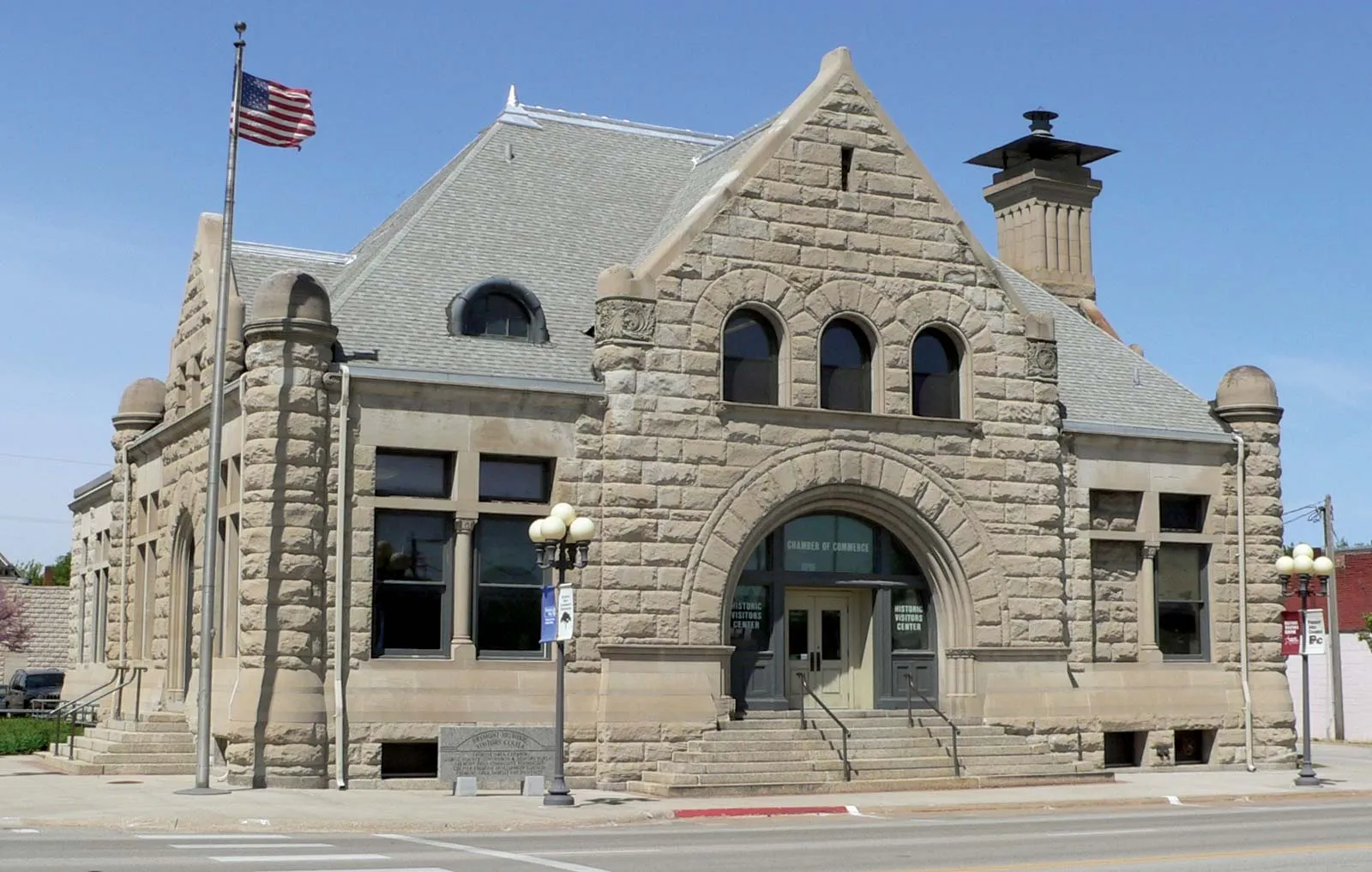
Fremont is 30 and US-275 — a straight run through Dodge County with no metro congestion. We service Military Avenue, the Fremont Mall area, and the Dodge County industrial parks for planned replacement and emergency response.
Fremont is the seat of Dodge County and the principal commercial hub for the agricultural and industrial communities of eastern Nebraska north of the Platte River. Its commercial inventory is headlined by the Military Avenue corridor through the city center and the commercial development around the Fremont Mall on 23rd Street. The Hormel Foods plant and associated industrial and food processing facilities on the city's east side represent a significant industrial commercial roof segment.
We travel to Fremont for commercial roof work on a project basis — planned replacement, documented assessments for capital planning, and emergency response for buildings on our maintenance agreements. Travel time from our office is 35-45 minutes via US-275, depending on traffic through the suburban fringe.
Fremont's commercial roof inventory is weighted toward older buildings. The Military Avenue corridor has 1960s and 1970s commercial construction on original BUR or early modified bitumen systems that have been maintained in place for decades. The Mall area inventory from the 1980s and 1990s is running modified bitumen and first-generation single-ply. The food processing and industrial facilities on the east side have specialized roof systems — some with chemical-resistant membranes required by the processing environment — that require assessment before any recover or replacement scope is written.
Military Avenue Corridor and Downtown Fremont
Military Avenue runs north-south through Fremont's commercial core. The buildings along this corridor span several generations of commercial construction — 1950s and 1960s masonry buildings with original BUR, 1970s and 1980s commercial with modified bitumen, and more recent retail and service commercial. The older inventory has the highest deferred-maintenance concentration: buildings that have been patched repeatedly without a documented condition assessment or capital plan.
When we assess Military Avenue buildings, we frequently find drain bowls that have not been cleaned or inspected in years, parapet copings that are loose or cracked and allowing water behind the parapet wall, and field membrane that has been coated over without addressing the underlying condition. We document these conditions with a photo log and a written report that gives the owner a clear picture of the actual asset condition — not a sales call with a replacement recommendation that ignores the recover option.
Fremont's commercial buildings face the same freeze-thaw cycle as the Omaha metro — the Platte River valley north of the city concentrates cold air during January inversions, and the freeze-thaw count at Fremont is comparable to Douglas County. Parapet and flashing failures driven by freeze-thaw cycling are the dominant failure mode we find on Fremont commercial roofs.
Industrial and Food Processing Facilities
The Hormel Foods plant and associated industrial facilities east of Fremont represent a specialized commercial roof segment. Food processing environments create roof conditions that standard residential-derived commercial roof experience does not prepare a contractor for: steam exhaust from processing equipment that condenses on membrane surfaces, heavy HVAC loads with constant condensate discharge, chemical exposure from cleaning compounds and processing chemicals, and 24/7 operations with no planned maintenance windows.
We assess food processing roofs with specific attention to membrane compatibility with the chemical environment, drain condition around steam and condensate discharge points, and HVAC curb flashing integrity on units that run continuously and create large thermal differentials between summer and winter. PVC membrane is chemically resistant to most food processing compounds and is our first specification consideration for food processing environments — though we verify the specific chemical exposure before specifying any system.
Dodge County's agricultural processing and cold storage facilities present similar considerations. Cold storage buildings — grain elevators, refrigerated storage, and feed processing — have specialized thermal dynamics that affect roof specification: vapor retarder placement, insulation type, and membrane compatibility all differ from a standard low-slope commercial building.
Emergency Response and Distance Logistics
Emergency response to Fremont commercial buildings involves a 35- office. We are transparent about that constraint when discussing emergency response with Fremont building owners. For buildings on our maintenance agreements, we pre-position temporary repair materials and maintain a list of local contacts who can perform initial dry-in work while our crew is in transit.
For planned projects in Fremont, we coordinate material delivery to the site in advance of mobilization to reduce the back-and-forth from the Omaha material yards. We have worked with suppliers in the Omaha and Fremont markets for large material drops on Dodge County projects.
Frequently asked questions
Do you regularly service Fremont commercial buildings?
We work in Fremont on a project basis for planned replacement and capital assessment work, and on an emergency basis for buildings on our maintenance agreements. We are not making weekly inspection routes to Fremont, but we are not treating it as an out-of-territory project either.
What permits apply to commercial roof work in Fremont?
The City of Fremont Building Department issues permits for commercial work within city limits. Dodge County authority applies for unincorporated parcels. We pull all applicable permits as part of every replacement project.
Can you work on food processing buildings with chemical exposure?
Yes, with proper pre-assessment. We assess the specific chemical environment before specifying a membrane system — PVC is our first specification for most food processing environments, but we verify compatibility with the actual chemicals present before writing the scope.
Fremont commercial roof assessment or replacement scope?
We serve Fremont on a project basis. Walk the roof, document the condition, deliver a written scope — for planned capital work or emergency response.
Ready to talk through a roof?
Tell us about the building and the roof problem. We'll document it and put a plan in writing — with an honest repair-vs-replace recommendation and no upsell pressure.