Omaha's older commercial inventory — Downtown, Midtown, and the pre-1980 industrial stock along the Missouri River corridor — carries a significant BUR inventory. We inspect, repair, recover, and replace built-up roofing systems and give owners an honest account of what the system actually needs.
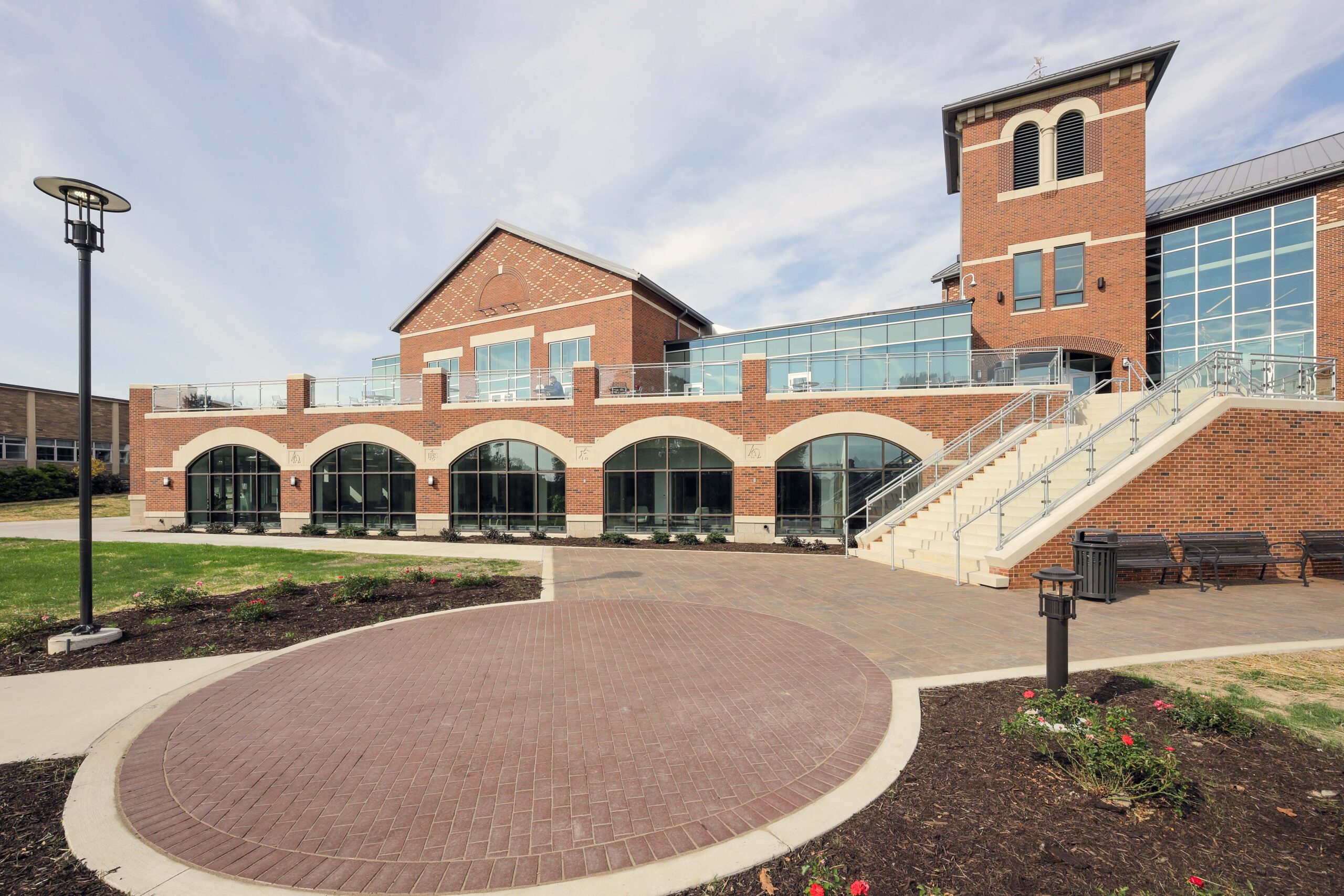
Omaha's higher education institutions—the University of Nebraska Omaha, Creighton University, and Metropolitan Community College—collectively manage hundreds of thousands of square feet of commercial rooftop across a city that experiences some of the most demanding weather variability in the central plains. From blizzard conditions in January to hail-producing supercells in June, Omaha academic buildings face a full spectrum of weather-related roofing stress. Our university roofing practice in Omaha is keyed to multi-campus portfolio management that gives facilities directors a single point of accountability across all building types and weather exposures.
UNO's campus on the southwest side of Omaha has expanded significantly through new construction while retaining older academic buildings from the university's mid-century growth period. The oldest structures on campus carry built-up roofing systems that have outlived their design life and show moisture saturation in the insulation layers that infrared surveys consistently flag. Wet insulation beneath a membrane dramatically reduces the thermal performance of the roof assembly—sometimes by 30 to 40 percent of rated R-value—which contributes to higher heating costs in Omaha's cold winters. Replacing these aged systems is both a capital maintenance necessity and an energy performance upgrade for state-funded university buildings.
Creighton University's campus near 24th and California operates under a private institution's procurement flexibility, which allows faster project initiation than Nebraska's public university contracting process. Creighton's mix of historic Jesuit-era buildings, modern medical and health science facilities, and student residence halls creates a diverse roofing portfolio with equally diverse technical requirements. The health sciences buildings carry medical-grade HVAC penetrations, rooftop exhaust systems for lab and clinical spaces, and proprietary equipment curbs that require custom flashing coordination with the building's mechanical engineering team before any roof work begins.
Metropolitan Community College operates multiple campuses across the Omaha metro, including Fort Omaha, South Omaha, and the Applied Technology Center locations. This dispersed campus model presents the kind of logistical challenge that suits our multi-site management approach well. Facilities directors at MCC need a contractor who can coordinate inspections, bid packages, and project management across geographically separated buildings under a single contract structure—not a separate procurement process for each campus location. Our regional portfolio contracts for community college districts include a master specification and per-building scope addenda that simplify the district's administrative burden.
Blizzard scheduling is the defining constraint for major reroofing work at Omaha universities. Nebraska winters routinely deliver multi-day snowstorms that halt outdoor construction, and a March blizzard can set a project back by two weeks when tear-off is partially complete. For this reason, the preferred approach for Omaha academic building reroofing is a summer start—typically late May or June—with completion well before the first hard freeze in October. Our project scheduling for UNO and MCC buildings builds in weather contingency days based on historical Omaha weather data and flags the specific calendar dates when adhesive application becomes unreliable due to overnight temperature drops.
Ice dam formation is a chronic problem on residential-style dormitory buildings at Creighton and UNO where pitched roof sections intersect with low-slope transitions. When attic insulation is insufficient, interior heat escapes through the roof deck and melts the underside of the snowpack, which then refreezes at the cold eaves. The water backs up under shingles and causes interior ceiling and wall damage in student rooms. Addressing ice damming requires improving attic insulation and air sealing from below—not just adding heat trace cables that treat the symptom—and our university dormitory repair programs address both the roofing and building envelope components of the problem.
UNO operates under the University of Nebraska system's facilities and capital construction requirements, which include state plan review for projects over specified dollar thresholds and adherence to University of Nebraska Design Standards for roofing systems. These standards prescribe acceptable membrane types, minimum insulation values, and warranty requirements that our specifications are already written to satisfy. Familiarity with the NU Design Standards avoids specification conflicts during the plan review process and helps facilities managers avoid costly addenda after bid award.
Hail damage is a real and recurring threat to Omaha university rooftops. The city sits in a hail corridor that extends from south Nebraska through the Kansas border, and Class 4 impact-rated membrane products are increasingly being specified on new and replacement roofing installations to reduce the frequency of post-storm repairs and strengthen insurance position. Several insurance carriers serving Nebraska commercial institutions now offer premium reductions for buildings with verified Class 4 impact resistance, and we assist facilities managers in documenting their roof system's impact rating to support insurance discount applications.
Energy performance mandates for public institutions in Nebraska add a layer of specification requirements to reroofing projects at UNO and MCC. Projects exceeding the state's energy code threshold for substantial improvement require compliance with ASHRAE 90.1 or Nebraska energy code equivalent R-value minimums for roofing assemblies. We include energy code compliance documentation in our project packages for public university clients, with insulation layer calculations and product data sheets formatted for plan review submission to the Nebraska State Building Division.
- When is the best time to reroof academic buildings at UNO or MCC given Omaha's weather?
- The most reliable window for major reroofing in Omaha runs from late May through mid-September, avoiding both the late-winter blizzard risk and the early-fall temperature drops that affect adhesive cure windows. We build weather contingency days into every Omaha university project schedule and track the five-day National Weather Service forecast to adjust daily tear-off pacing when conditions are marginal. Projects that begin in June have the highest probability of reaching substantial completion before the end of the summer window.
- How do you manage roofing work across MCC's dispersed campus locations under a single contract?
- We structure multi-campus community college contracts with a master agreement covering terms, warranty provisions, prevailing wage compliance, and insurance requirements, with individual building scope addenda issued as projects are approved and funded. This approach allows MCC's facilities director to initiate work at specific campus locations without restarting the procurement process for each building, and it provides the district with consistent documentation and reporting across all sites under one contract umbrella.
- What should Creighton's facilities team consider when reroofing health sciences buildings?
- Health sciences buildings carry specialized rooftop systems including biosafety exhaust fans, medical gas ventilation, and clinical-grade HVAC equipment that require custom curb and flashing configurations. Before beginning any health sciences roof project, we coordinate with Creighton's building systems engineering team to document all rooftop penetrations, identify equipment that cannot be taken offline during construction, and design temporary weather protection for any systems that must remain active during tear-off and installation phases.
- Are Class 4 impact-rated membranes worth the added cost for Omaha university buildings?
- For most Omaha institutional buildings, the cost premium for Class 4 impact-rated membrane products is recovered through reduced post-storm repair frequency and potential insurance premium savings within five to eight years of installation. The Nebraska hail risk is well-documented and insurance carriers serving public institutions have begun recognizing impact resistance documentation in their premium calculations. We provide product data sheets and installation certification letters that clients can submit directly to their insurance broker.
- How does the University of Nebraska's design standards process affect roofing project procurement?
- NU Design Standards specify acceptable roof system types, minimum insulation values, and warranty terms that contractors must meet to qualify for NU system projects. Our standard specifications are written to comply with current NU Standards, which simplifies the plan review process and reduces the likelihood of addenda or resubmittals after bid award. We provide the UNO facilities office with a compliance matrix cross-referencing our specification sections against the relevant NU Standards sections to streamline review.
Frequently asked questions
My BUR roof is 30 years old. Should I recover or replace it?
Age alone does not determine the answer — insulation condition and ply integrity do. A 30-year BUR with dry insulation and intact plies is a strong candidate for modified bitumen cap sheet recover. A 30-year BUR with saturated insulation across large areas needs replacement. We pull moisture cores to give you the actual answer, not the one that sells the most work.
How long does BUR repair typically take on a Downtown Omaha building?
Targeted BUR repair — flashing replacement at parapets and penetrations, blister repair, crack routing and fill — typically runs 2-5 days for a 20,000-30,000 sq ft roof. Full recover with modified bitumen cap sheet runs 1-2 weeks for the same footprint. Access and permitting on Downtown Omaha buildings (crane, lane closure, parking permit) can add pre-mobilization time of 2-3 weeks.
Can you repair a BUR roof in Omaha winter?
Hot-mopped BUR and torch-applied modified bitumen require substrate temperatures above 40°F for proper adhesion. Cold-applied bituminous repair products can be applied at lower temperatures. Emergency temporary repairs — stopping an active leak — can be done with cold-applied materials in any weather. Permanent BUR repair and recover is scheduled for April through October in most years.
BUR inspection or scope for your Omaha building?
We will walk the roof, pull cores where the condition warrants it, and deliver a written condition report with a repair, recover, or replace recommendation — and the reasoning behind it.
Ready to talk through a roof?
Tell us about the building and the roof problem. We'll document it and put a plan in writing — with an honest repair-vs-replace recommendation and no upsell pressure.